

STANDARDS ALIGNMENT HUB
ALIGNMENT LIBRARY ·
STANDARDS ALIGNMENTS · GRADES 4–12
Your students can read every word in the chapter and still not know what it said.
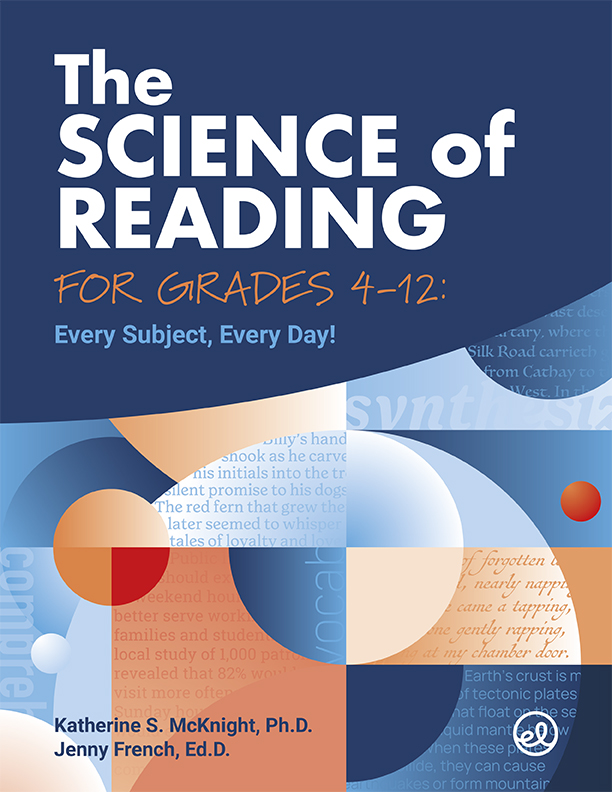
It happens in every classroom — science, history, math, art, ELA. The Science of Reading for Grades 4–12: Every Subject, Every Day! by Katherine S. McKnight, Ph.D. and Jenny French, Ed.D. gives you 70 strategies for closing the comprehension gap, and these downloadable alignment guides show you exactly which state standards each strategy advances.
ALIGNMENT LIBRARY
Every strategy, crosswalked to the standards you’re accountable to.
Each guide maps all 70 strategies to that state’s ELA standards, names the science-of-reading component each one develops, and gives leaders the evidence they need for a district literacy plan. Built for lesson plans and for board presentations alike.
+ Built to Your State Standards
Don’t see your state? Email us at info@engaginglearners.com and we’ll build the crosswalk for your standards.
THE CASE FOR EVERY CLASSROOM
Reading instruction doesn't end in third grade. It changes hands.
After grade 3, the text stops being a story and starts being the curriculum. The demands shift to vocabulary, syntax, structure, and background knowledge — which live in the content areas, not in the reading block.
THE TEXT CHANGES
Each discipline reads differently
A lab report, a primary source, and a word problem make different demands on a reader. A general reading class can’t teach all three. The teacher who knows the discipline is the only one positioned to teach how it’s read.
THE SCIENCE HOLDS
The same research, older students
The Simple View of Reading and Scarborough’s Rope don’t expire at grade 4. Above the word level, comprehension is still built from vocabulary, fluency, language structure, and knowledge — the strands secondary teachers touch every day.
THE TIME EXISTS
Each discipline reads differently
Every strategy here runs on the text already in front of your students. No separate program, no lost instructional minutes — the reading work is the content work. That’s the “every subject, every day” part.
COVERAGE AT A GLANCE
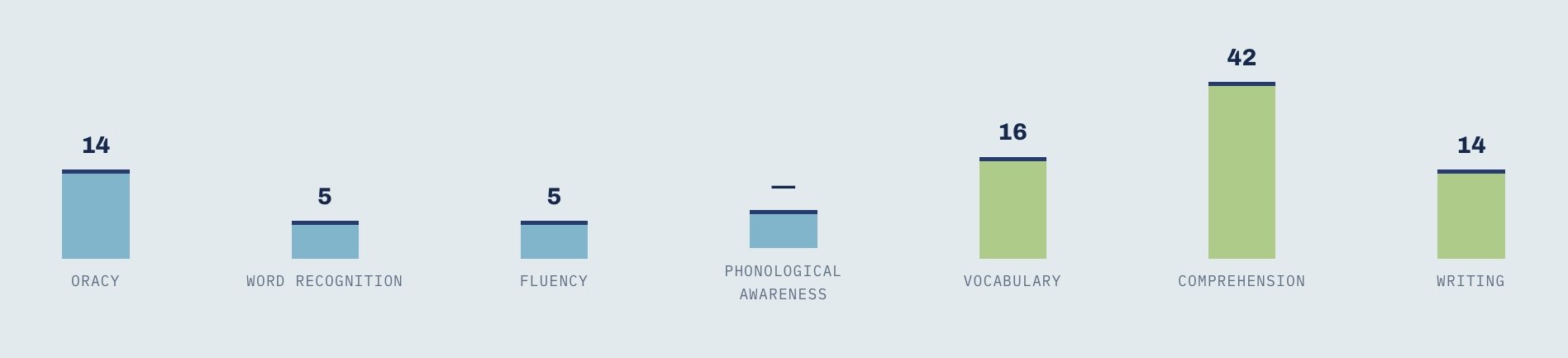
Where the 70 strategies land
Weighted, by design, toward the components that carry adolescent comprehension. Phonological awareness shows a dash because it is largely mastered before grade 4.
GET STARTED
The book teaches the strategies. The guide gets them into every classroom.
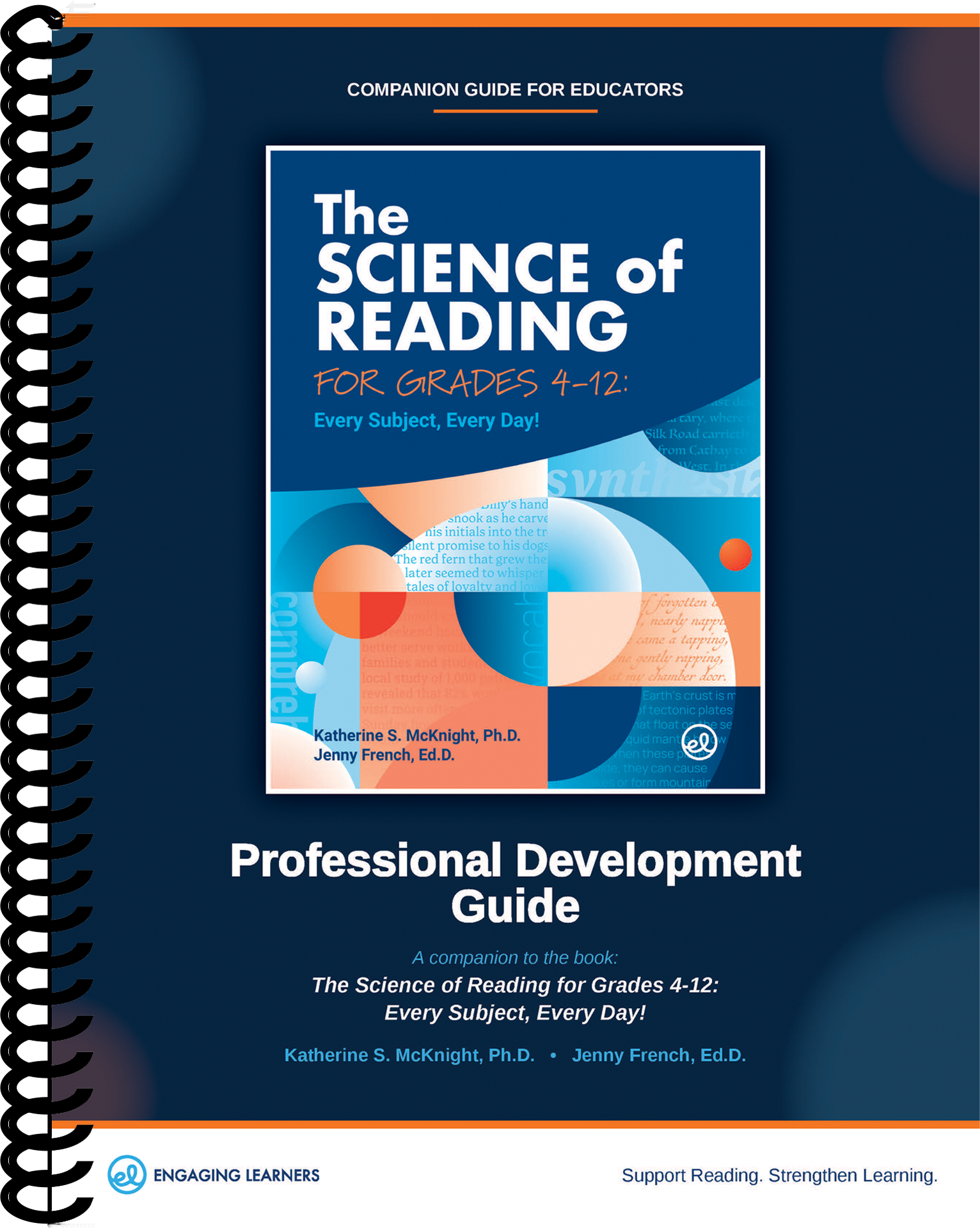
Teachers use the book. Coaches and PLC leads use the Professional Development Guide to run the learning — module sequence, session structure, look-fors, coaching observation tools, and a 90-day implementation plan.
The Science of Reading for Grades 4–12: Every Subject, Every Day!
by Katherine S. McKnight, Ph.D., and Jenny French, Ed.D.
ISBN 978-0999226056
Paperback · 308 pages · 8.5″ × 11″
Professional Development Guide to
The Science of Reading for Grades 4–12: Every Subject, Every Day!
by Katherine S. McKnight, Ph.D., and Jenny French, Ed.D.
ISBN 978-0999226063
Paperback · 72 pages · 8.5″ × 11″
Ordering books for your department or district? Purchase orders welcome — email info@engaginglearners.com. Want the strategies taught live? Book a free consultation.